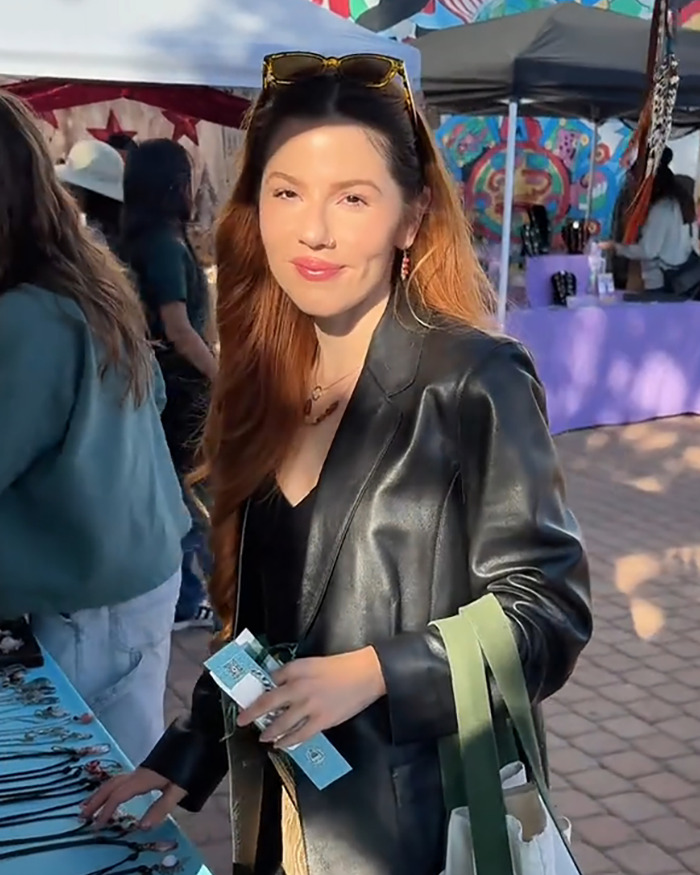
A California social media influencer known online as the “Gluten Free Girlfriend” has found herself the subject of widespread ridicule after sharing her idea for a “decolonized Christmas” on TikTok.
Elise Bonilla-Myers recorded herself sharing holiday recipes and shopping tips that, in her opinion, put native cultures and women at the forefront.
Highlights
- Influencer was mocked after promoting a “decolonized Christmas” built around Indigenous recipes and gifts.
- Viewers argued Christmas predates colonization and evolved through centuries of global migration.
- Critics said her approach oversimplified a holiday shaped by countless cultures and traditions.
Her approach was criticized almost instantly, with netizens pointing out not only that Christmas predates colonial settlement in the Americas, but that the tradition has developed over centuries, incorporating countless cultural elements and food ingredients along the way.
An influencer was blasted online after she tried framing Christmas as a holiday that should be “decolonized”

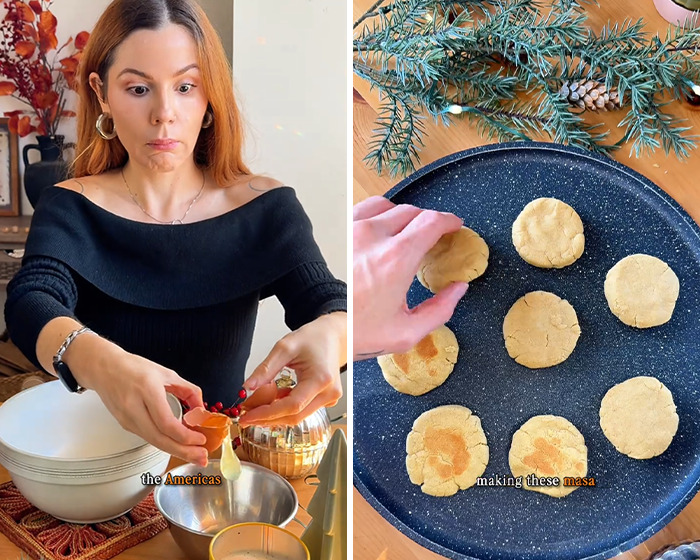
“The perfect Christmas cookie is griddle masa made from a form of corn flour mixed with lime or culinary ash,” she said, explaining that the process makes the nutrients “more bioavailable and it becomes more tender.”

Her tips centered on ingredients like corn, which she said were native to the Americas, and avoided wheat, barley and rye, crops she usually doesn’t use due to the gluten-free nature of her channel.
Except this time, she specifically avoided using them due to their Eurasian origin.
The influencer advocated for consuming food made only with American ingredients and buying from “native” businesses
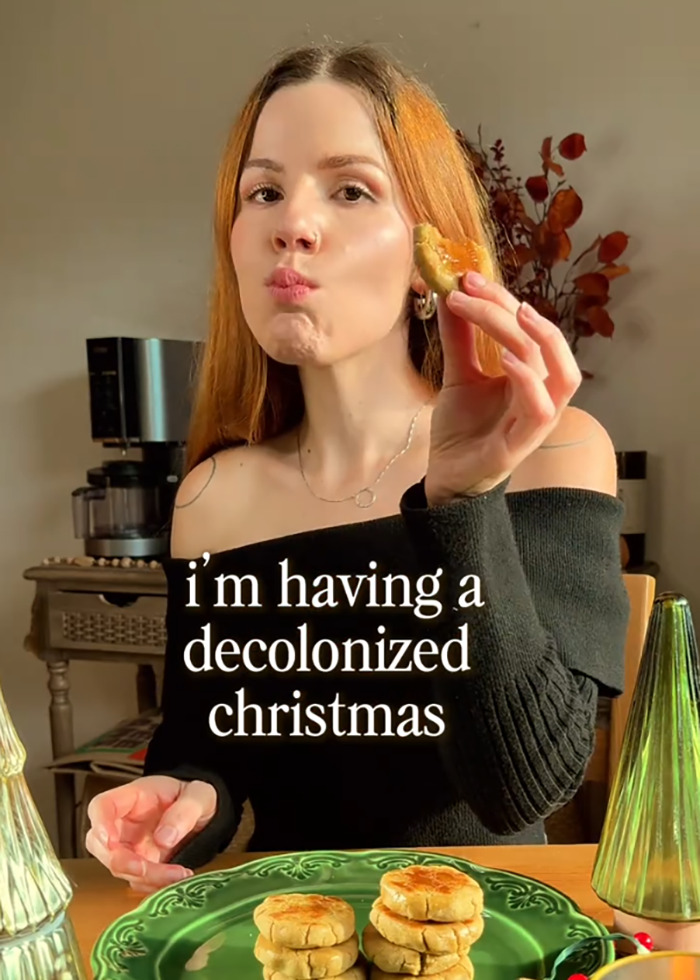
She explained that every present on her list would come from what she described as “native owned” businesses.
The event featured more than 30 vendors selling artwork, crafts, wild rice, and other items tied to regional Indigenous traditions.
In her view, sourcing gifts this way was an essential part of keeping her holiday “aligned with Indigenous values” and moving away from what she called the “colonial consumerism” of typical Christmas shopping.
Viewers pushed back against her narrative, pointing to the Holiday’s origin as a multicultural tradition