When last did you hand-write a letter to someone, and take the time to post it? For many of us, that’s a thing of the past. We have email, mobile phones, social media and other instant ways to communicate.
But there’s something super nostalgic about receiving a written letter or Christmas card… Walking to the mailbox, opening it up and being pleasantly surprised to see an envelope with your name and address scrawled across the front.
Despite the world embracing the digital era, it’s nice to know that you can still see mailboxes scattered around neighborhoods during your daily walks. What’s even better is when they aren’t your average box-shaped style. Mailboxes come in all shapes and sizes, standing proud like full-time front desk employees, ready to greet the next visitor.
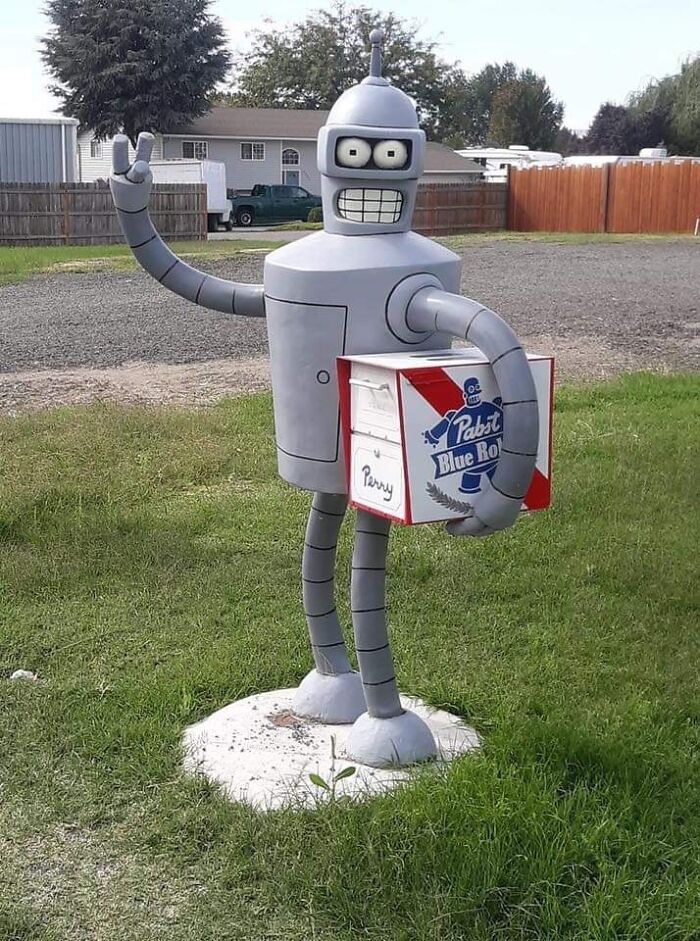
Bender Mailbox
If you were to imagine the very first letters ever written, what would they look like? If you pictured pieces of paper scrawled with curly handwriting, you’d be wrong. The world‘s first “letters” came in the shape of clay tokens. They were bobs of baked clay with dots or lines incised in them. Used in Mesopotamia some 9,500 years ago, these tokens during trade.
“A courier might bring tokens to a seller for so many bushels of grain, or so many jars of olive oil, and the seller would send the tokens with the goods back to the buyer. Think of it as a Bronze Age bill of lading,” explains the ThoughtCo. site.
This would mark the start of writing, and the very early days of what would later become the postal system.
A Mailbox I Made. I’m Very Proud
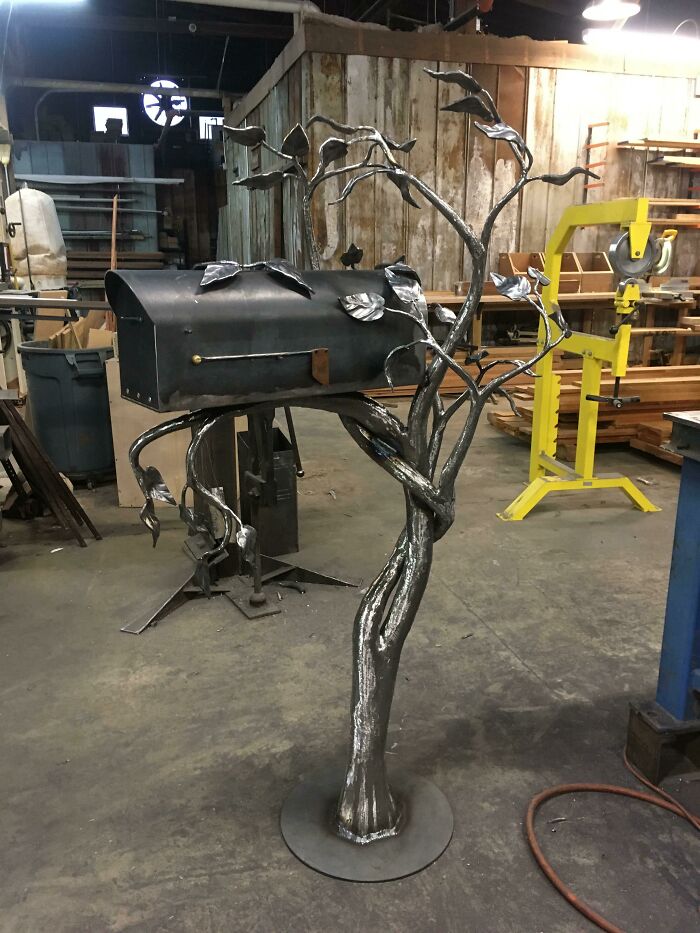
Scrap Metal Mailbox Art

State-sponsored, designated couriers started emerging in Egypt around 2400 BCE. This is believed to be the first documented use of an official postal system, and at the time, it was only available to pharaohs.
“The main mode of transportation was through the Nile River,” reports Egyptian Streets. “The letters were placed in a box escorted by guards.” The pharaohs would use this method to communicate with each other and send updates on political developments in their territories.
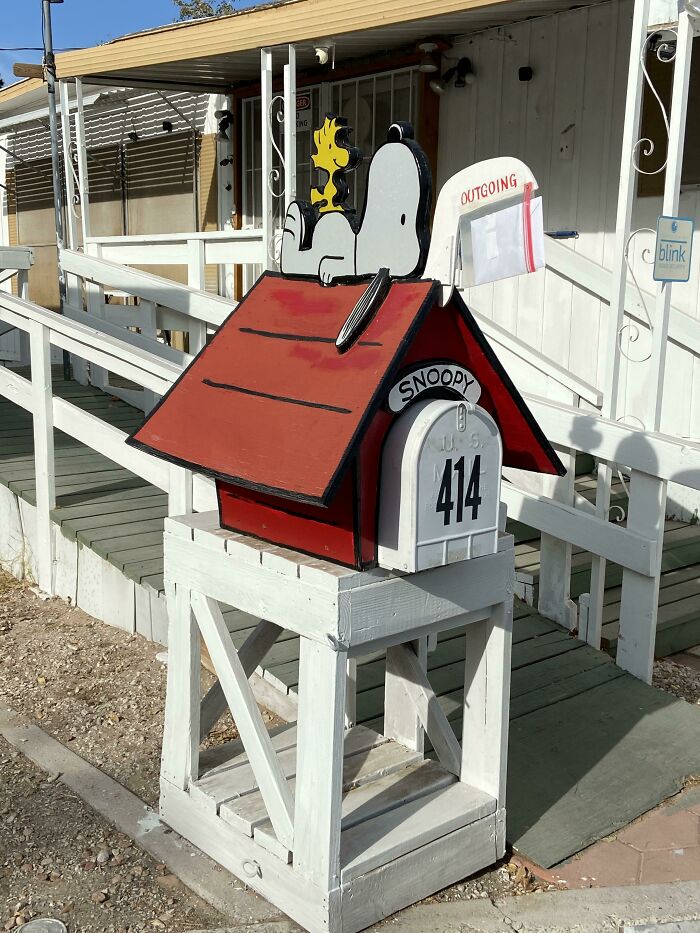
That’s Just Adorable
This Snoopy Mailbox
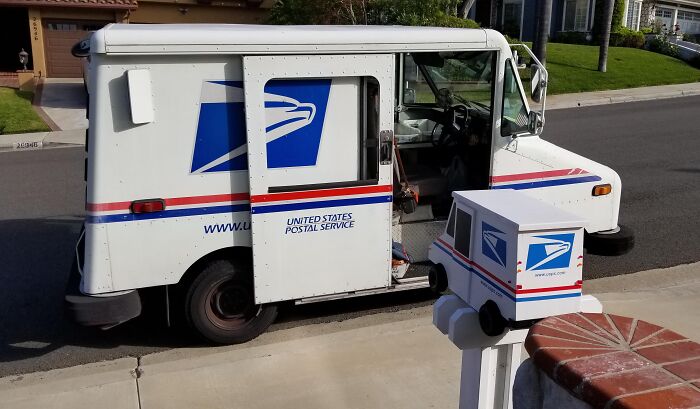
My Neighbor’s Mailbox Matches His House

Around 305 B.C., the postal service got a little makeover in the form of a new method of transportation: horses. Believe it or not, this marked the earliest documentation of what is now known as “express mail” and “regular mail.”
“The express mail services were exclusive to state officials and rulers while the latter was used by the wider public and was delivered by a postman on a donkey or mule,” reveals Egyptian Streets.