There are days when all you want is a good laugh, and then there are days when you’re drawn to the raw beauty, grit, and soul of the past. That’s why we’ve put together this stunning collection of vintage photos curated from the Facebook page Historic Lens Stories. These images offer a rare glimpse into the lives of people who left an unforgettable mark on the movie and music industries. Keep scrolling and let history speak for itself.
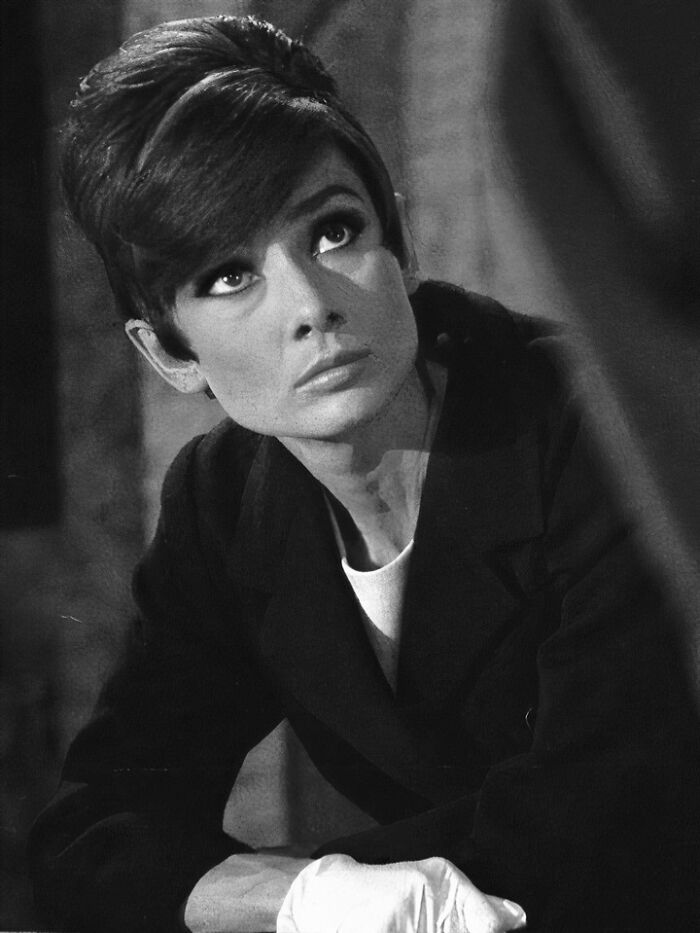
In 1966, Audrey Hepburn was photographed by the renowned British photographer Terry O’Neill during the production of How to Steal a Million, a sophisticated romantic comedy directed by William Wyler. Filmed primarily in Paris, the movie starred Hepburn as Nicole Bonnet, the daughter of an art forger, alongside Peter O’Toole as a charming thief. O’Neill’s portraits from the set capture Hepburn at the height of her cinematic and fashion influence—elegant, poised, and effortlessly modern. This collaboration between actress and photographer immortalized the glamour of mid-1960s cinema, blending Old Hollywood grace with the youthful energy of the Swinging Sixties.
By the mid-1960s, Audrey Hepburn had already become one of the most beloved actresses in the world, celebrated for performances in Breakfast at Tiffany’s (1961) and My Fair Lady (1964). In How to Steal a Million, her wardrobe, designed by Hubert de Givenchy, reflected the epitome of Parisian chic—sleek silhouettes, wide-brimmed hats, and bold accessories that influenced global fashion trends for years. Terry O’Neill’s candid and stylish approach to photography perfectly complemented Hepburn’s timeless allure, capturing her in moments of quiet confidence and charm. His work helped redefine celebrity portraiture, emphasizing authenticity and modern style over posed glamour.
The film itself, released in August 1966, became a visual celebration of art, fashion, and wit. While How to Steal a Million is remembered as a lighthearted caper, its production coincided with a transformative era in cinema—when traditional Hollywood elegance met the freedom of the new European aesthetic. O’Neill’s images from the set endure as cultural landmarks, preserving Audrey Hepburn not just as an actress, but as a symbol of grace, intelligence, and enduring style. The synergy between Hepburn’s timeless presence and O’Neill’s modern lens created visual history—an eternal snapshot of cinematic sophistication in the golden decade of film.
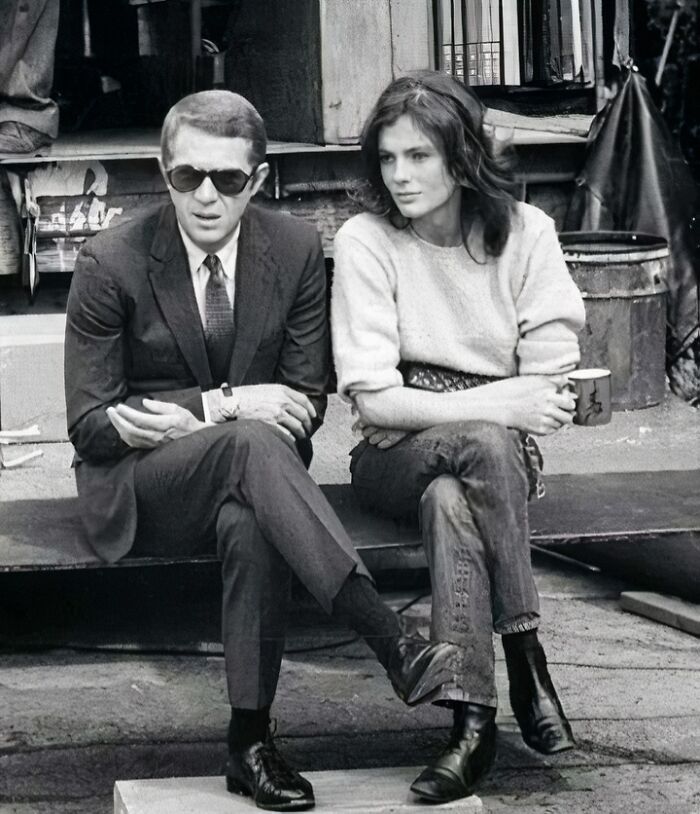
In 1968, the streets of San Francisco became the stage for one of the most iconic films in cinema history — Bullitt, directed by Peter Yates and starring Steve McQueen and Jacqueline Bisset. Behind the scenes, McQueen, known as the “King of Cool,” embodied the effortless charisma that defined a generation, while Bisset, at the dawn of her international stardom, brought sophistication and depth to her role as Cathy, the woman who humanized McQueen’s tough detective persona. The film was released on October 17, 1968, during a transformative era in American cinema when realism and rebellion began replacing polished studio aesthetics. Its blend of sleek cinematography and raw emotion made Bullitt a landmark of the New Hollywood movement.
Shot on location across San Francisco’s steep hills and vibrant streets, Bullitt broke new ground with its legendary car chase sequence — a cinematic revolution filmed using Mustang GT fastbacks and Dodge Chargers that roared through the city’s neighborhoods at unprecedented speed. This pioneering action scene, captured using real-time footage and minimal stunt doubles, redefined modern filmmaking and set the standard for generations of directors that followed. McQueen, performing much of his own driving, became synonymous with authenticity and fearless artistry. Peter Yates’
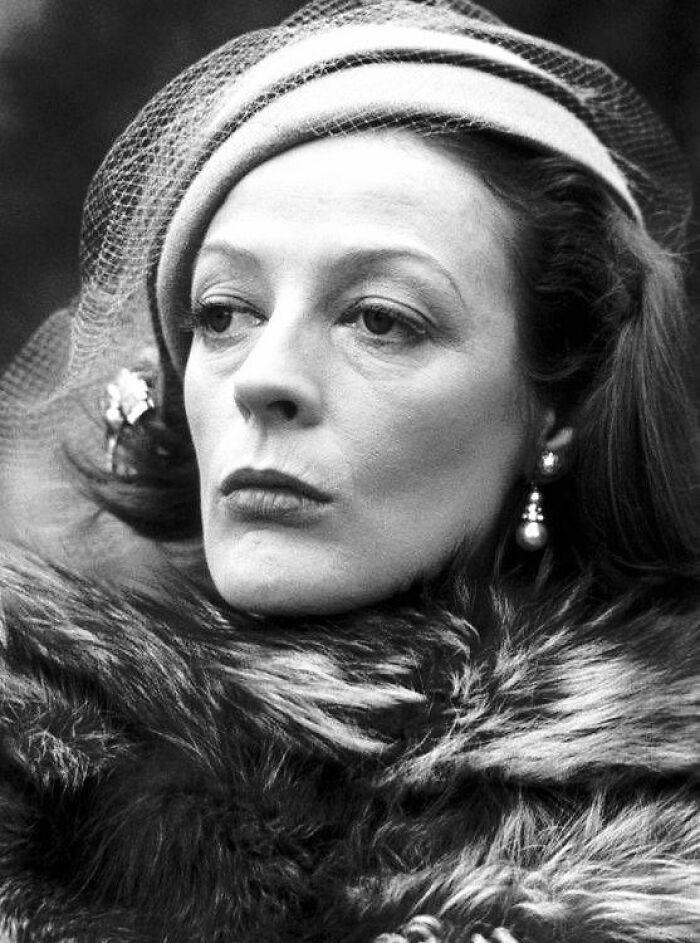
In 1972, the BBC brought to life George Bernard Shaw’s witty and satirical play The Millionairess, first written in 1936, with Dame Maggie Smith dazzling as Epifania Ognisanti di Parerga—a wealthy, imperious heiress whose sharp tongue and superior manner dominate every room she enters. The production was part of the BBC’s golden age of televised theatre, when the network sought to make classic plays accessible to a broader audience. Smith’s portrayal captured the biting humor and social irony that Shaw intended, reflecting the playwright’s ongoing critique of class divisions and the absurdity of wealth without purpose. Her commanding performance became a masterclass in blending comedy with character depth.
The play itself holds an important place in British theatre history, illustrating Shaw’s fascination with the moral and emotional complications of privilege in the early twentieth century. Written during the interwar period and first staged in 1940 at London’s New Theatre, The Millionairess explored how power and money distort human relationships—an idea that resonated deeply with audiences facing post-war austerity. By the time the BBC adapted it for television in the early 1970s, Britain was once again re-examining social mobility and economic inequality, making Smith’s sharp, sophisticated interpretation both timely and timeless.
Maggie Smith’s portrayal in The Millionairess foreshadowed the grand hauteur she would later embody as Violet Crawley, the Dowager Countess of Grantham in Downton Abbey (2010–2015). Both characters were commanding women from aristocratic backgrounds who used wit, intelligence, and impeccable poise as their weapons of influence. The connection between Epifania and the Dowager Countess demonstrates the enduring nature of Smith’s artistry—her ability to evolve with time while maintaining the essence of theatrical excellence. Her 1972 performance remains a hidden gem in her distinguished career, bridging classic theatre and modern television legacy.
Many of us love capturing everything from tiny moments to big triumphs in life. And why not? It’s so easy now. With a phone in our hands and a charged battery, we’re never too shy to snap the perfect brekkie pic or document a quick sunset walk.
Sharing photos has become second nature. We click, edit, and upload in seconds. But it wasn’t always like this. Photography today is instant, casual, and often spontaneous. But once upon a time, it was anything but.
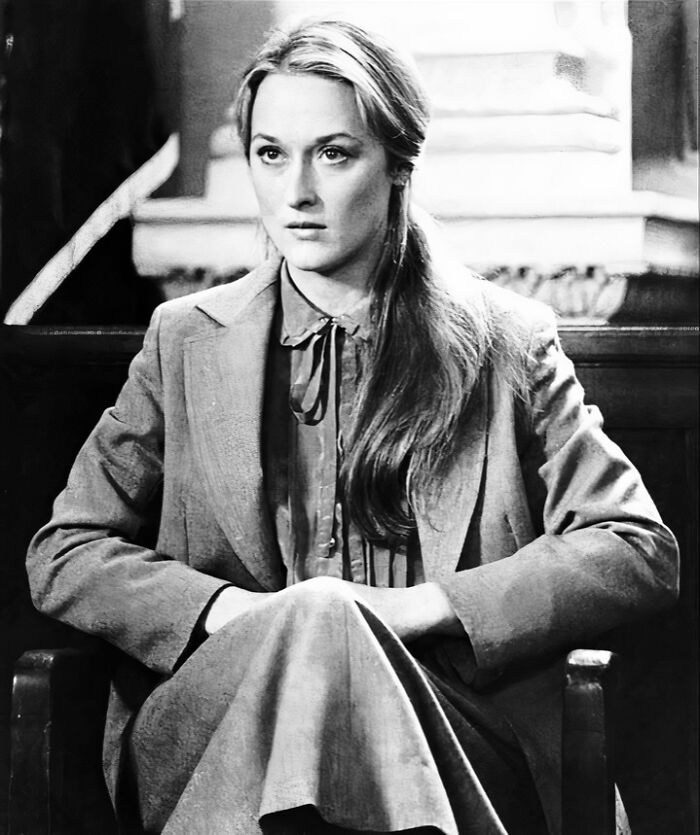
In 1980, Meryl Streep earned her very first Academy Award, taking home the Oscar for Best Supporting Actress for her moving performance in Kramer vs. Kramer (1979). The film, released on December 19, 1979, became both a critical and box office triumph, exploring the realities of divorce, parenthood, and personal growth at a time when American society was undergoing major cultural shifts. Streep’s portrayal of Joanna Kramer, a mother torn between her personal independence and her bond with her child, was widely praised for its depth and authenticity. Her role not only resonated with audiences but also showcased the new wave of emotionally raw, naturalistic performances that defined Hollywood cinema in the late 1970s.
Directed by Robert Benton and co-starring Dustin Hoffman, Kramer vs. Kramer went on to sweep the 52nd Academy Awards in April 1980. It won five Oscars in total: Best Picture, Best Director, Best Actor for Hoffman, Best Adapted Screenplay, and Best Supporting Actress for Streep. The film became a cultural landmark, sparking conversations about gender roles, custody battles, and the evolving concept of family in modern America. With divorce rates rising sharply in the 1970s, the story reflected the social realities of the era, making it not only a cinematic success but also a cultural mirror.
For Streep, this milestone marked the beginning of one of the most celebrated careers in film history. Just two years later, she would win the Academy Award for Best Actress for Sophie’s Choice (1982), solidifying her reputation as a master of her craft. By the time she achieved her record-breaking 21 Oscar nominations in the decades that followed, her win in 1980 remained a reminder of her early brilliance and the moment Hollywood recognized a talent that would define generations. The legacy of Kramer vs. Kramer continues to endure, standing as a timeless example of storytelling, artistry, and the transformative power of film.
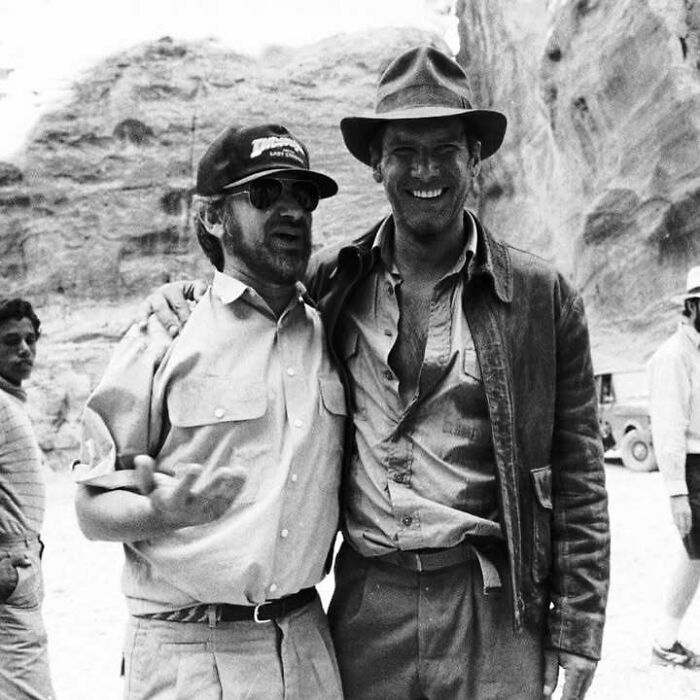
In 1988, Harrison Ford and Steven Spielberg reunited on the set of Indiana Jones and the Last Crusade, filming across breathtaking locations that ranged from Spain and Italy to Jordan and England. It was the third installment in the Indiana Jones saga, following the global success of Raiders of the Lost Ark (1981) and Temple of Doom (1984). The production blended adventure, archaeology, and emotional storytelling on a grand scale. Spielberg and Ford worked closely to bring new depth to the character of Indiana Jones, presenting him not only as a daring explorer but also as a son reconciling with his past. The addition of Sean Connery as Professor Henry Jones Sr. created a dynamic father-son relationship that became the heart of the film and a defining moment in 1980s cinema.
Filming took place throughout 1988, beginning in May and wrapping by September. The iconic tank chase scene was shot in the Tabernas Desert in Almería, Spain, while the awe-inspiring finale at Petra, Jordan, transformed the ancient Treasury into the mythical temple housing the Holy Grail. The craftsmanship behind the film’s practical effects and set design reflected Spielberg’s commitment to authenticity in an era just before digital effects began to dominate Hollywood. Ford performed many of his own stunts, further cementing his reputation as one of the most committed action stars of his generation. The collaboration between Spielberg and cinematographer Douglas Slocombe gave the film a warm, nostalgic tone, echoing the golden age of adventure serials that inspired the franchise.
Released in May 1989, Indiana Jones and the Last Crusade became both a critical and commercial triumph, grossing nearly $475 million worldwide and winning an Academy Award for Best Sound Editing. More importantly, it restored the emotional core of the series, blending humor, humanity, and heroism. The behind-the-scenes moments from 1988 capture Ford and Spielberg at their creative peak—two artists perfectly in sync, crafting a story that continues to define cinematic adventure decades later.