The 18th century often feels like a distant world of powdered wigs, candlelit salons, and horse-drawn carriages. But a recent Reddit post that went viral with more than 111 thousand upvotes and 2.9 thousand comments reminded the internet that some people from that era actually lived long enough to be photographed. The post sparked a wave of fascination, revealing how many individuals born in the 1700s made it into the early age of photography, creating a remarkable bridge between two very different eras.
These were people born under monarchs and muskets who died in the age of steam engines and seaside resorts. In their portraits, you can almost feel a time-travel shift: one foot in the rococo world of lace and powdered hair, the other stepping into a modern era framed by metal and glass. Their stories remind us that history isn’t frozen in time – it overlaps, folds back on itself, and connects the seemingly impossible.
Here you’ll find queens who ignored changing fashion trends, royals who outlived entire branches of their families, scientists who watched their own discoveries reshape the world, and everyday figures whose lives spanned centuries of change. Their survival into the photographic age makes them living time capsules, offering a rare glimpse into just how quickly the world transformed within a single lifetime.
In short, this is more than a list of long-lived aristocrats. It’s a portrait of an era in transition – and of the real humans who witnessed the world shift from candles to cameras.
Maria Amalia of Naples and Sicily (1782–1866)

Maria Amalia was the last Queen of France, serving as consort to King Louis Philippe I. Born into the powerful Bourbon dynasty, she spent her youth moving between royal courts of Europe. Known for her modesty, deep Catholic faith and strong family values, she avoided political life and focused on charity and education.
When the monarchy fell in 1848, she and her family fled into exile in England, where she lived quietly until her death. Her long life made her a rare witness to the end of the old royal era and the dawn of modern France.
Princess Mary, Duchess of Gloucester and Edinburgh (1776–1857)
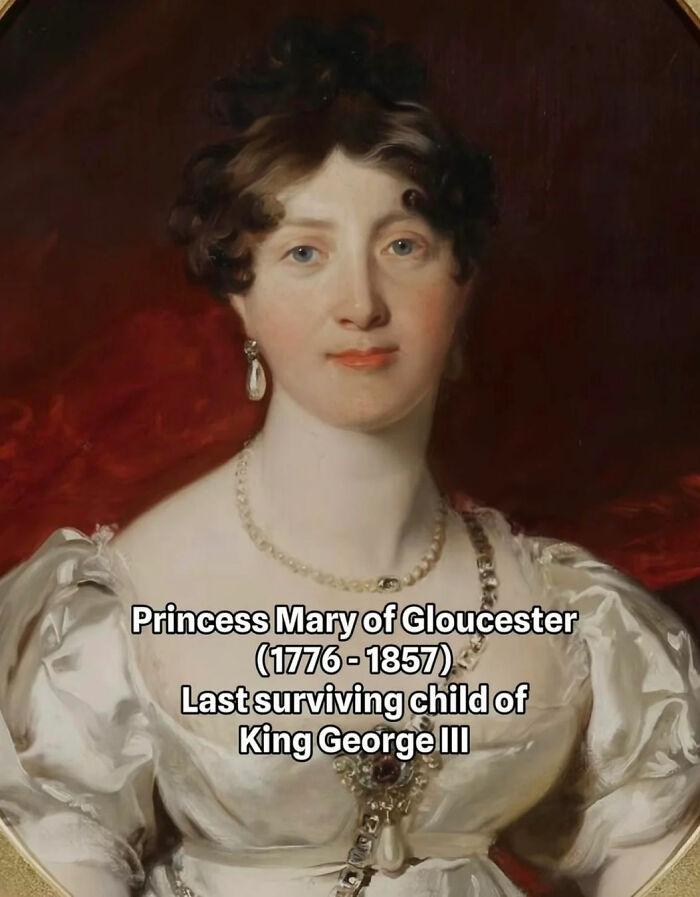
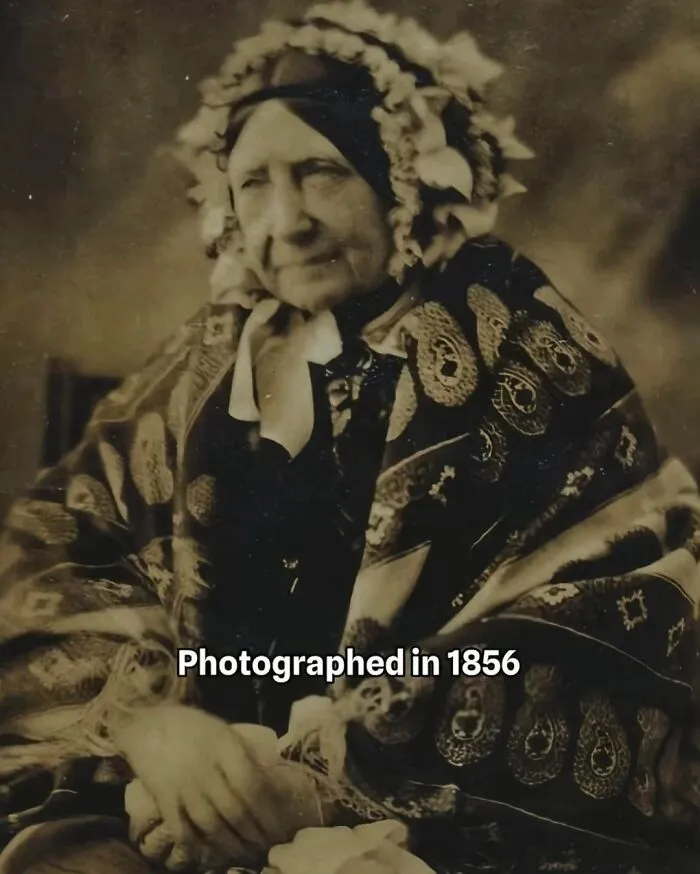
Princess Mary was the eleventh child of King George III and became the last of his children to survive into the Victorian era. Known for her gentle personality and strong devotion to family, she spent much of her life close to her parents, especially during her father’s long illness.
She married relatively late, at age 40, to her first cousin Prince William Frederick, but the couple had no children. Mary lived quietly and gracefully through a period of enormous change in Britain, outliving all her siblings and witnessing the rise of her niece Queen Victoria. Her long life formed a bridge between the Georgian world and the start of the modern monarchy.
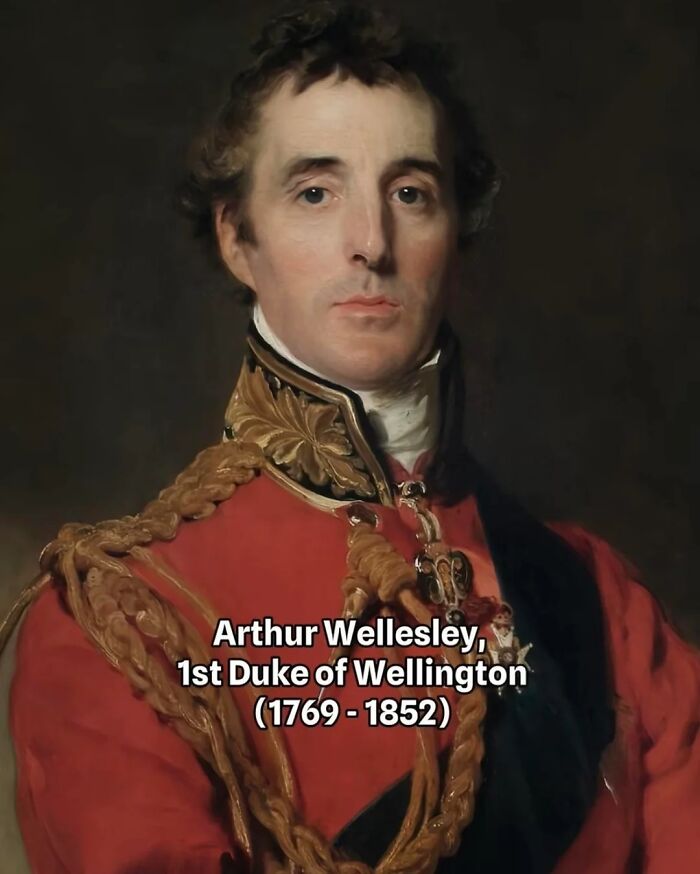
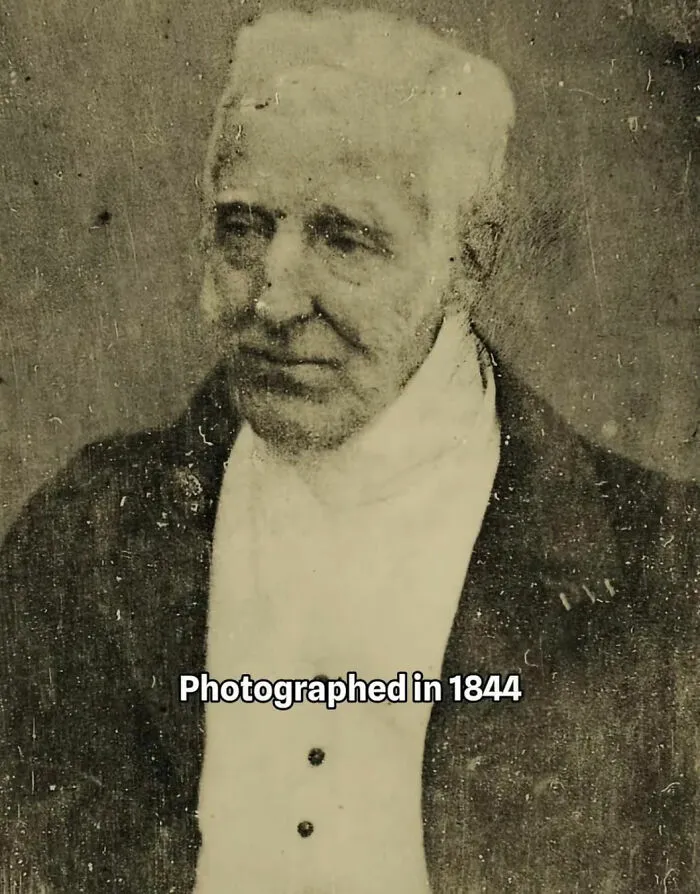
Arthur Wellesley, 1st Duke of Wellington (1769–1852)
J. M. W. Turner (1775–1851)

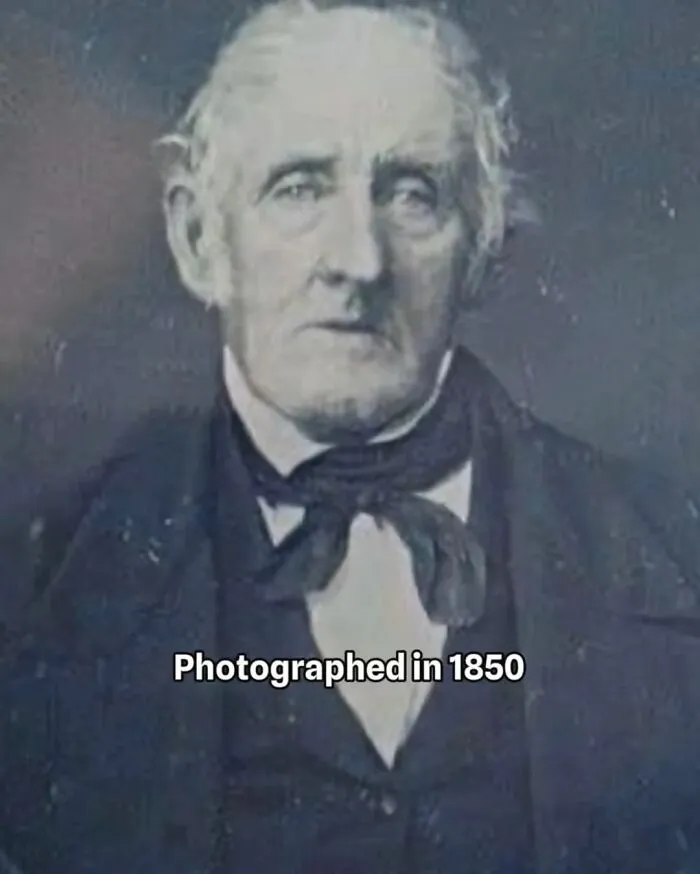
J. M. W. Turner was one of Britain’s most influential painters and a pioneer of the Romantic movement. Known for his dramatic skies, glowing light, and powerful seascapes, he transformed landscape painting into something emotional and atmospheric.
Turner began his artistic career early, entering the Royal Academy at just 14 years old. Over time, his work became more experimental, pushing boundaries with bold colors and almost abstract forms. Often called the “painter of light,” he inspired generations of artists with his fearless approach.
He lived long enough to witness the rise of photography, bridging the gap between classical art and the modern world that would follow.
Dolley Madison (1768–1849)

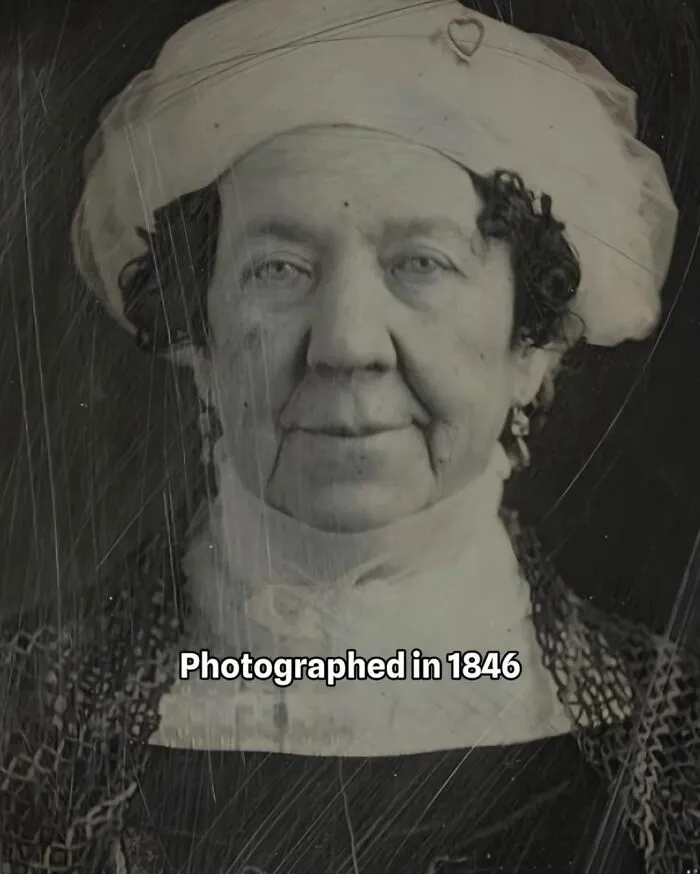
Dolley Madison was one of the most influential first ladies in American history and became a beloved public figure long after her time in the White House. Married to President James Madison, she helped shape the role of first lady with her warm hospitality, political tact, and ability to unite people during tense moments in early American politics.
She is best remembered for her courage during the War of 1812, when she famously rescued important national treasures from the White House before it was burned, including the iconic portrait of George Washington. After her husband’s death, Dolley remained a respected presence in Washington society and became a symbol of the nation’s early years. Her long life allowed her to witness the young republic evolve into a more stable and expanding country.
Emperor Ferdinand I of Austria (1793–1875)
